
Wood Flooring: 15 Things Every Homeowner Needs to Know
Wood flooring adds warmth, beauty, and timeless value to any space — but there’s more to it than just picking a pretty plank. These 15 must-know wood flooring facts will help you choose wisely, maintain properly, and avoid common regrets.
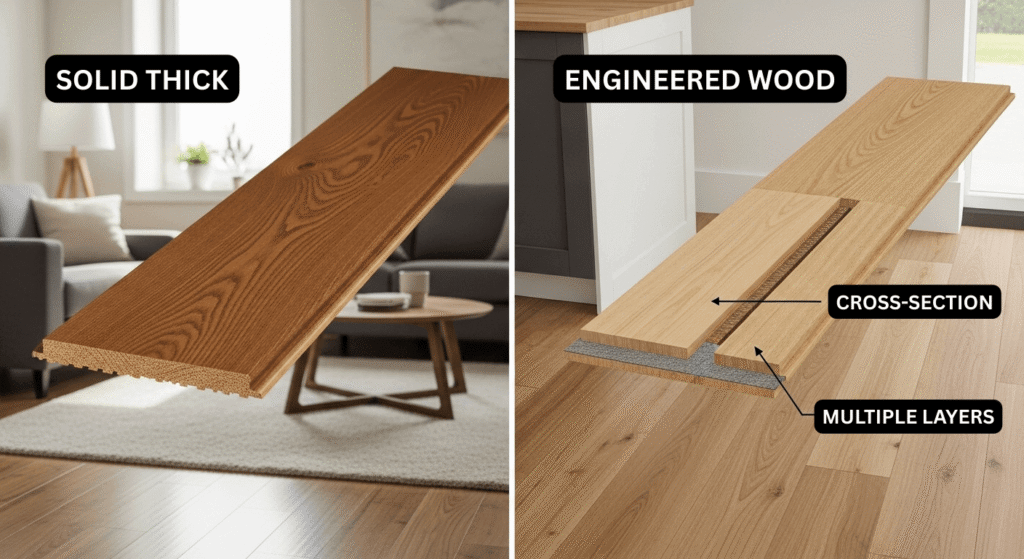
1. Solid vs. Engineered Wood
Solid hardwood is a single piece of wood, while engineered wood has layers. Engineered options are more moisture-resistant and budget-friendly — ideal for basements or kitchens.
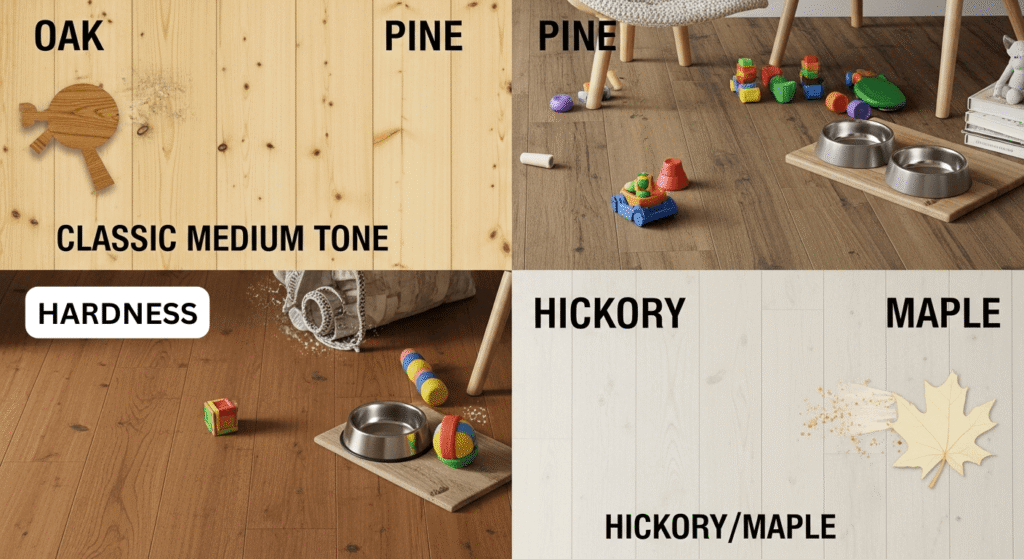
2. Different Woods, Different Hardness
Hardness varies: oak is durable and common, pine is softer and rustic, while hickory and maple resist dents better. Choose based on lifestyle and foot traffic.
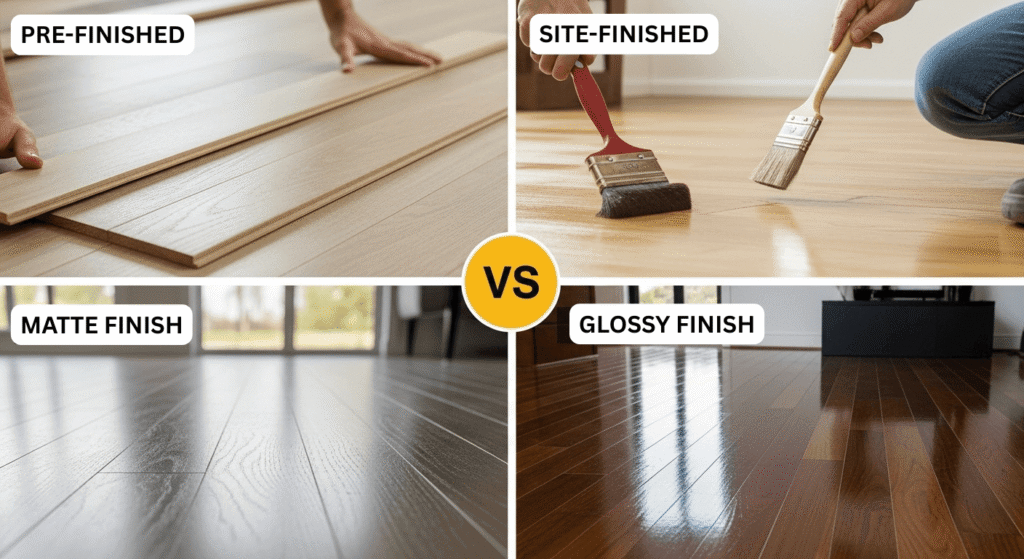
3. Not All Finishes Are Equal
Pre-finished floors come ready to install, while site-finished ones allow custom staining. Matte finishes hide scratches better than glossy ones.
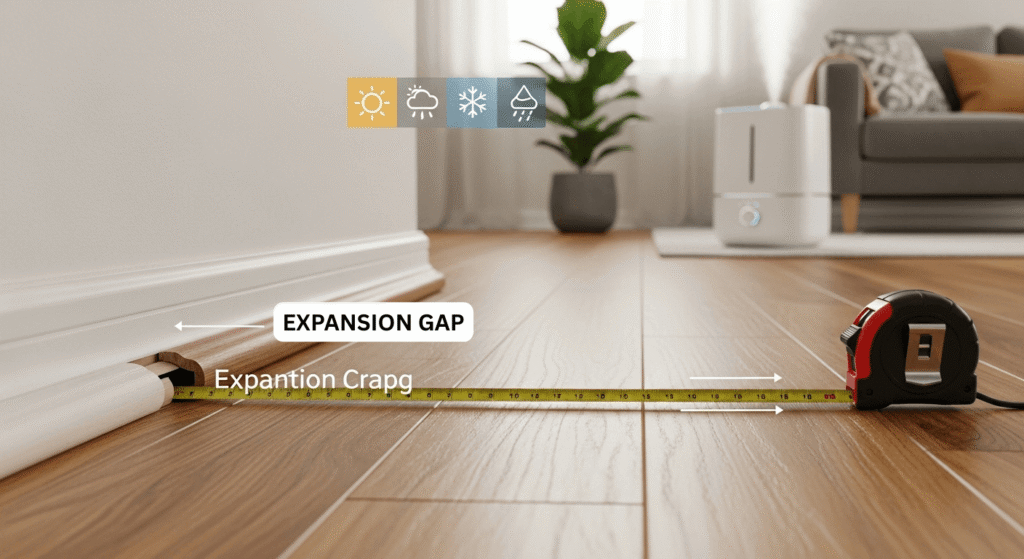
4. Wood Expands and Contracts
Temperature and humidity changes cause wood to shift. Leave expansion gaps during installation and consider using a humidifier in dry seasons.
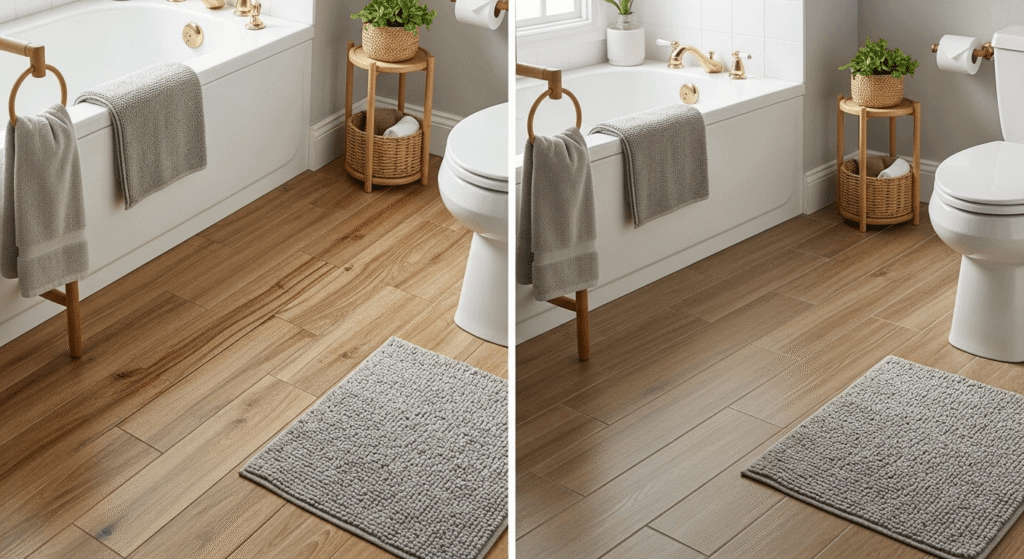
5. Hardwood Isn’t Ideal for Bathrooms
Water and wood don’t mix well. For moisture-prone areas, engineered wood or wood-look tile is a safer alternative.
6. Maintenance Is Easy but Specific
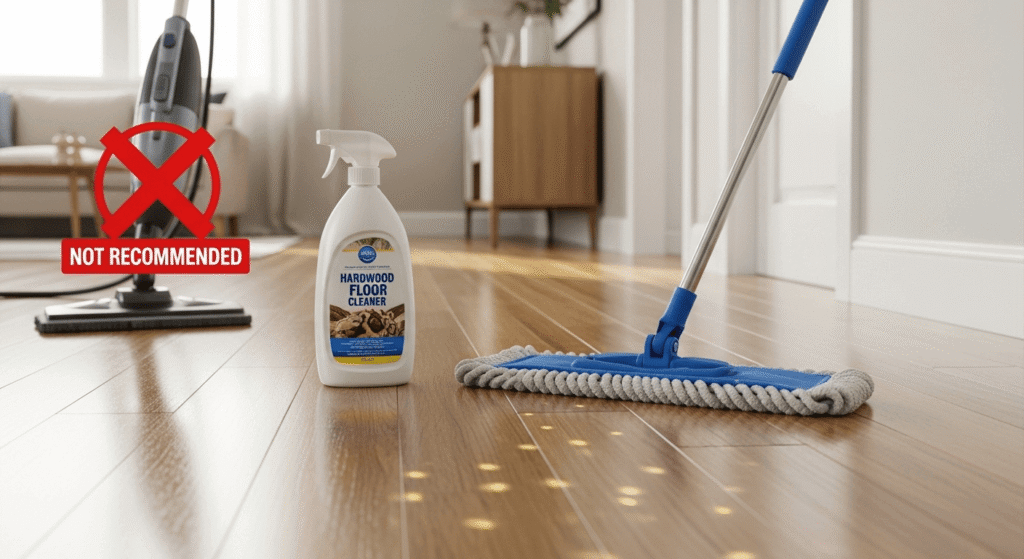
Avoid steam mops and too much water. Use a microfiber mop and a cleaner made specifically for wood floors to keep the finish intact.
7. Refinishing Extends Life
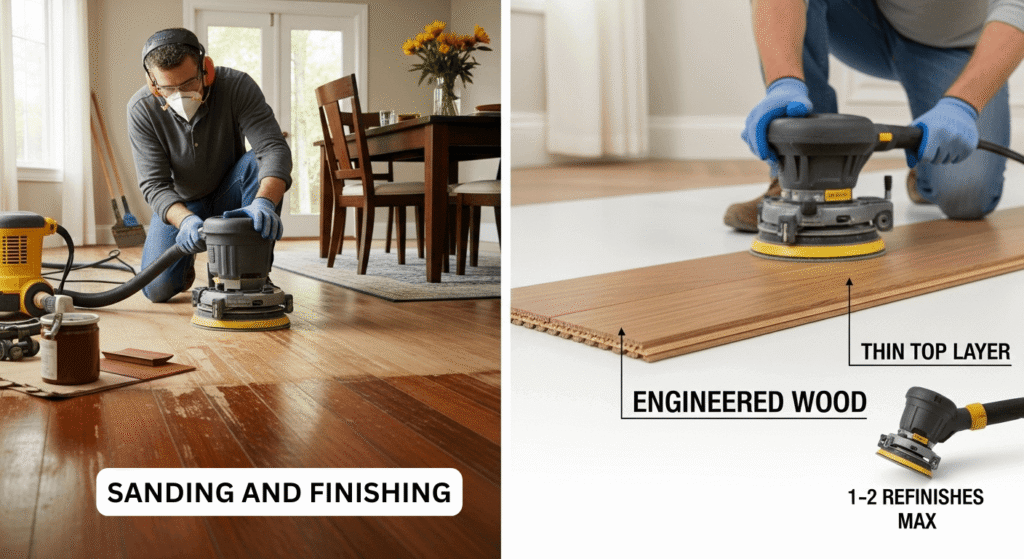
Solid hardwood can be refinished multiple times, restoring its look after years of wear. Engineered wood can only handle one or two refinishes depending on thickness.
8. It Can Increase Home Value
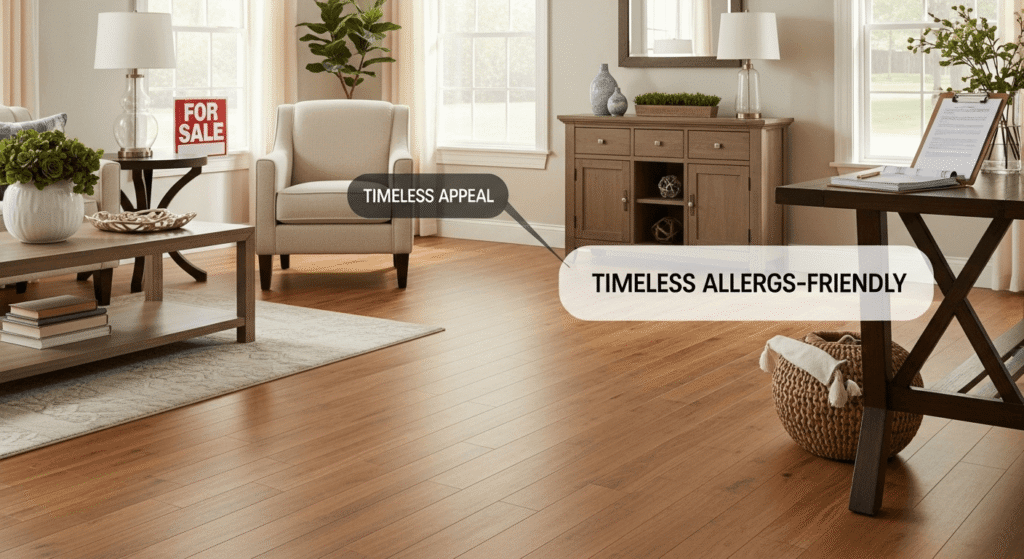
Buyers love wood floors — they’re timeless and allergy-friendly. Homes with hardwood often sell faster and at a higher price.
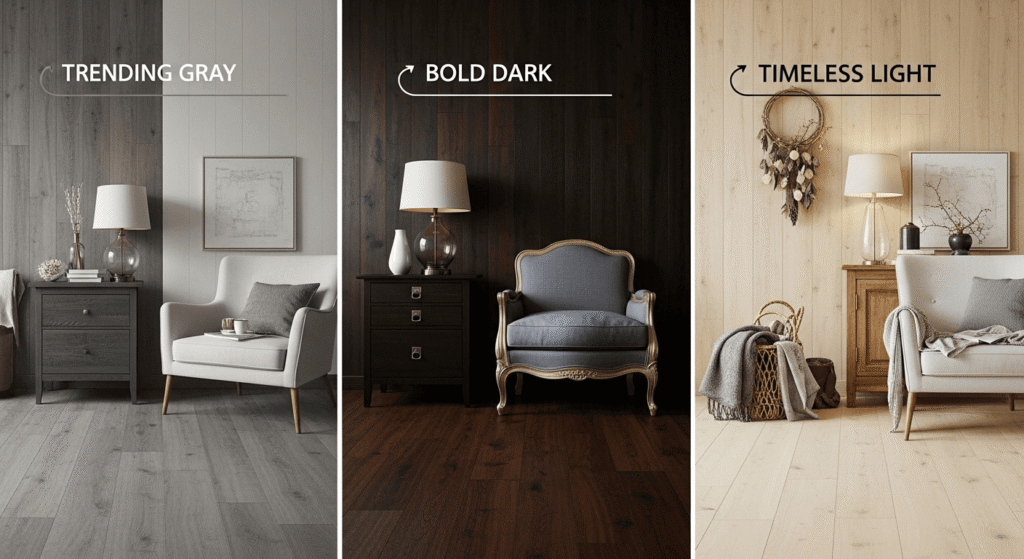
9. Color Trends Change
Gray and dark woods are trendy now, but light natural tones are timeless. Choose what fits your home’s style — not just current fads.
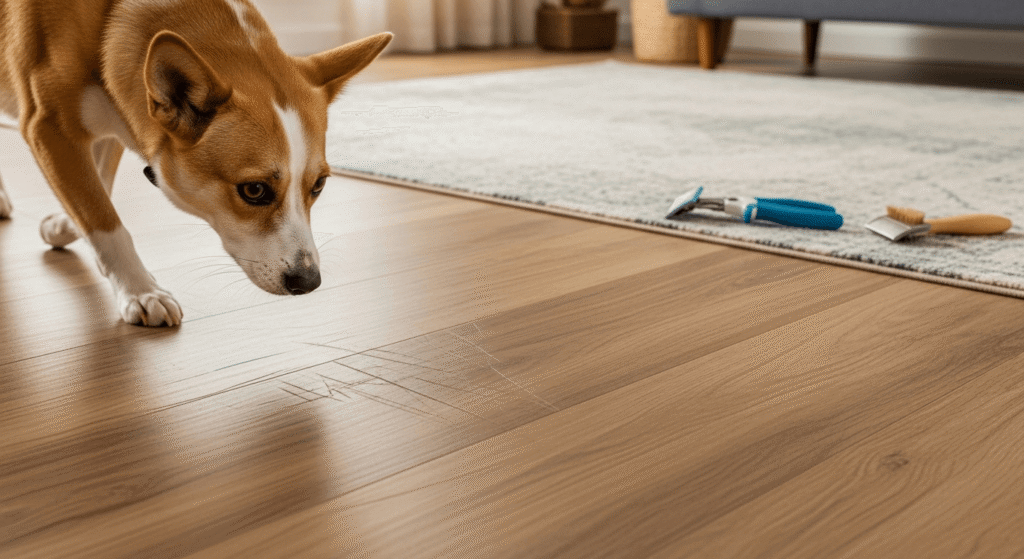
10. Pets + Wood = Scratches
If you have pets, opt for harder woods and matte finishes. Keep nails trimmed and consider rugs in high-traffic areas.
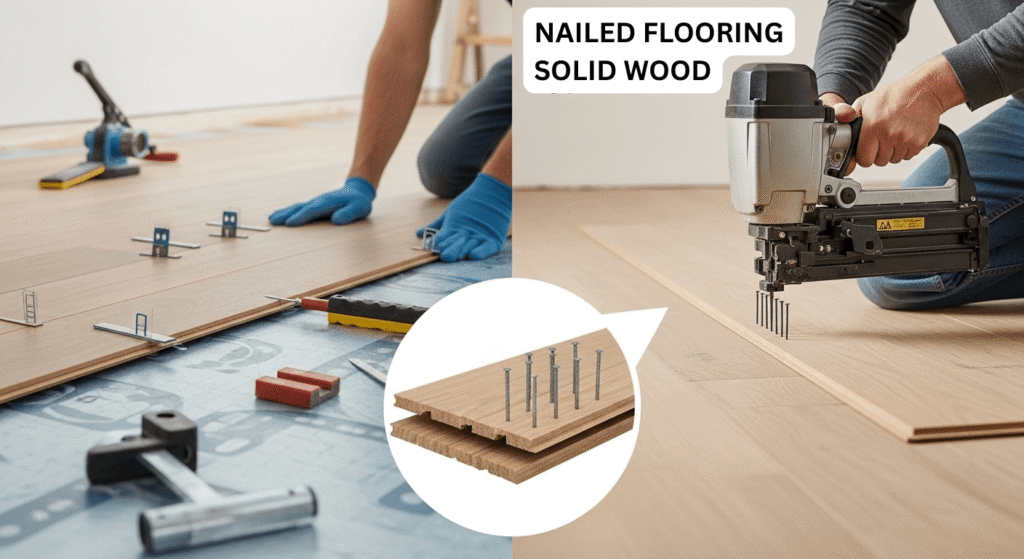
11. Floating vs. Nailed Installation
Floating floors are quicker to install and often used with engineered planks. Nailed or glued-down methods are more permanent and solid-feeling.
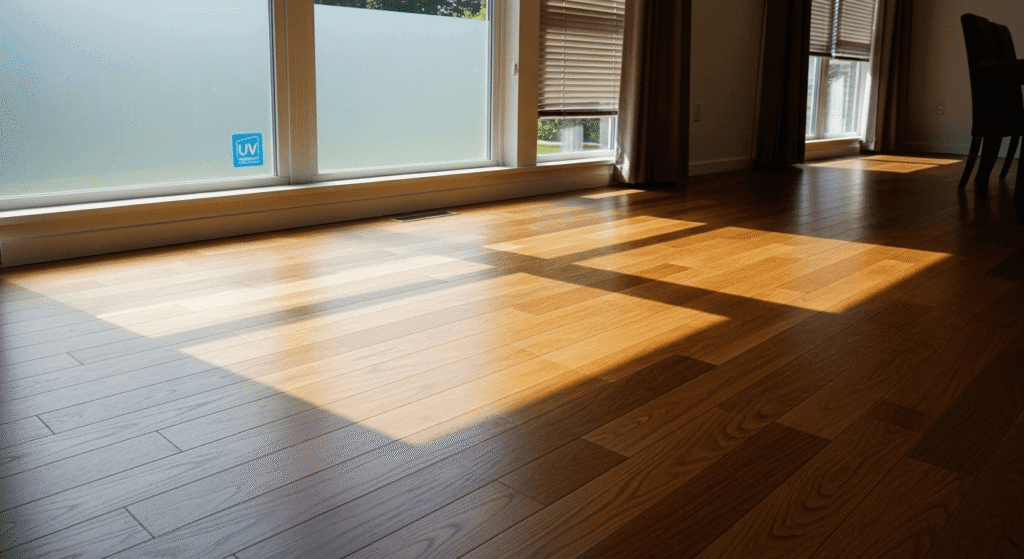
12. Sunlight Can Fade It
Direct sunlight can cause discoloration over time. Use curtains or UV window films to protect floors and prevent uneven fading.
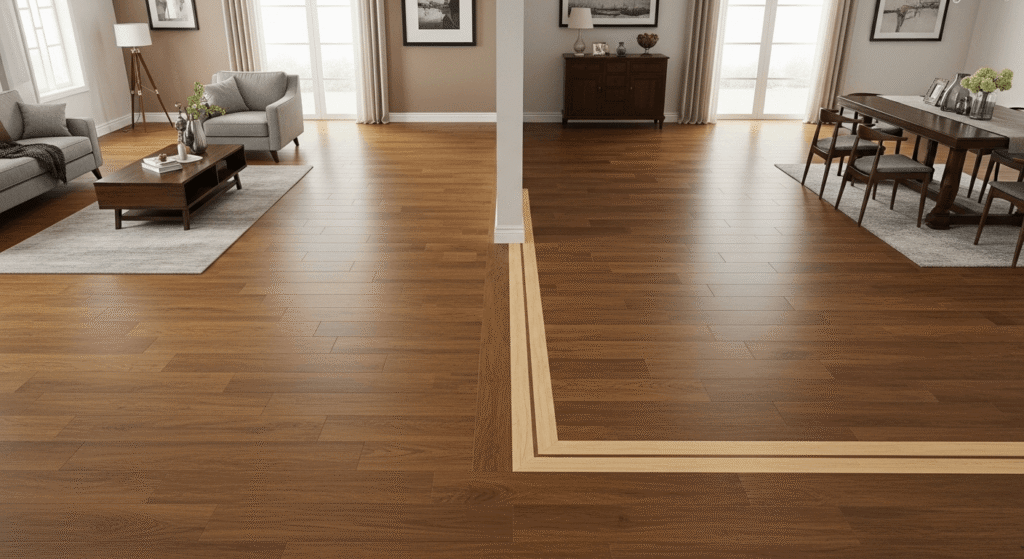
13. Matching Across Rooms Takes Planning
Wood flooring can look mismatched if not planned well. Stick to one type across open spaces or use transitions intentionally for visual flow.
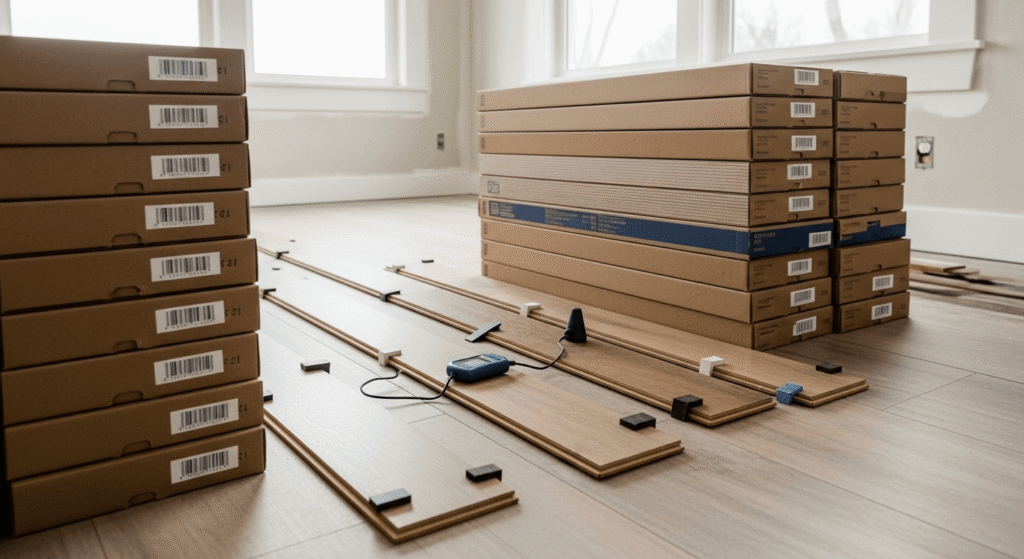
14. Acclimation is a Must
Before installation, let wood sit in your home for a few days. This helps it adjust to your space’s moisture level and prevents future warping.
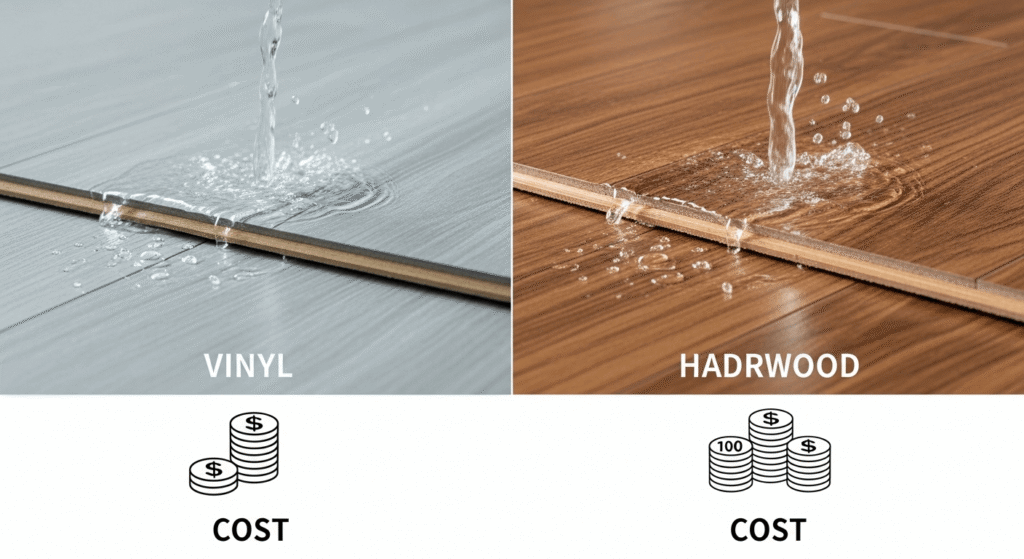
15. Wood-Look Alternatives Are Growing
Luxury vinyl and laminate mimic real wood but are waterproof and more affordable. They’re great for families, rentals, or budget renos.
Final Thoughts
Wood flooring is more than just a style choice — it’s an investment in your home’s comfort and value. Whether you’re choosing materials or learning to maintain them, these 15 tips will help you get it right the first time.